If you are drawn to places with a real sense of story, Old Town Park City likely stands out right away. Here, you get more than a home. You get a neighborhood shaped by mining history, walkable streets, ski access, and a year-round Main Street rhythm that feels distinct from newer resort areas. If you are wondering how historic charm and modern living come together in Old Town, this guide will help you understand the appeal, the tradeoffs, and what to expect. Let’s dive in.
Why Old Town Feels Different
Old Town is closely tied to Park City’s earliest development and includes some of the city’s most concentrated historic resources. The Main Street Historic District runs from 3rd Street to Heber Avenue and includes 95 properties, while the Mining Boom Era Residences Thematic District includes 70 residential properties built from 1872 to 1929.
That history still shapes the neighborhood today. Park City was founded by prospectors in the late 1860s, mining continued into the early 1970s, and the 1898 fire led to major rebuilding. Later, the city evolved into a ski town when the first lifts opened in 1963, giving Old Town a rare blend of mining-era roots and mountain resort convenience.
Another reason Old Town feels so distinct is its physical character. After the 1898 fire, rebuilding relied more heavily on brick and stone, which helped create a more compact and substantial street feel than many newer neighborhoods in Park City. When you walk here, that layered history is hard to miss.
Old Town Homes and Architecture
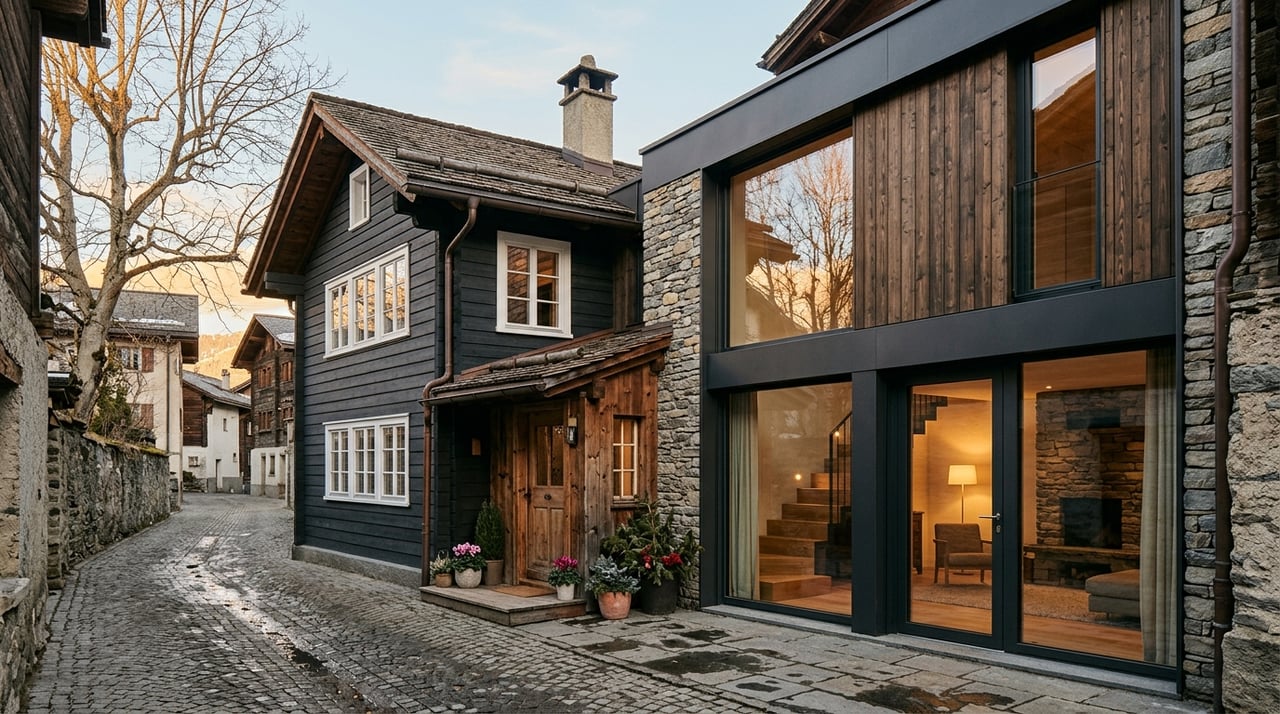
Old Town’s housing stock is not one-note. The neighborhood includes early homes built quickly during the mining boom, later houses with stronger construction, and properties that picked up Victorian details like turned porch posts, brackets, and spindles.
You will also find more variety than many buyers expect. Historic boarding houses, duplexes, and hotel buildings are part of the district too, so Old Town is not just a collection of small detached cottages. That mix adds to the neighborhood’s texture and gives buyers a broader range of property types.
The area also includes later infill and more modern-era construction within the historic setting. National Register documentation identifies modern apartments on Main Street, notes the 1965 Treasure Mountain Inn, and points to compatible modern infill within the historic boundary. In other words, Old Town can offer historic character without requiring every property to look or live exactly the same.
In Park City, even a T/L cottage can read as distinctly Victorian, as noted in a Park City Museum profile of 733 Woodside Avenue. That is part of Old Town’s charm. Its architecture is layered, local, and shaped by real history rather than a single master-planned design style.
What Modern Living Looks Like in Old Town
Modern living in Old Town is less about uniform new construction and more about how daily life works. For many buyers, the biggest draw is that you can live in a neighborhood with porches, narrow streets, and historic buildings while staying close to dining, skiing, and year-round events.
Old Town is unusually car-light for a mountain town. Park City’s free transit system connects nearly every neighborhood, including Historic Main Street, Park City Mountain, Deer Valley Resort, and Kimball Junction. In the summer, the area also benefits from an electric bike share program with more than 200 electric-assist commuter bikes.
That level of connectivity changes how the neighborhood functions. Instead of planning every outing around parking, many residents and visitors can walk, ride transit, or use bikes for short trips. For buyers coming from larger cities or seeking a lock-and-leave second home, that ease can be a major advantage.
Ski Access Sets Old Town Apart
One of Old Town’s defining lifestyle features is Town Lift. Park City Mountain describes it as the historic lift for people staying near Main Street, taking riders from Main Street straight to the bottom of Bonanza Express.
That matters because Old Town does not feel like a conventional resort village. It feels like a real neighborhood first, with streets, smaller-scale buildings, and a strong local identity. Yet it still offers direct access to the mountain in a way that is hard to replicate elsewhere.
For second-home buyers, that combination can be especially compelling. You can enjoy a historic setting and still have convenient access to a ski day without relying on a long drive or shuttle routine.
Walkability and Everyday Rhythm
Old Town’s pedestrian orientation is part of its daily appeal. The Park City Historical Society and Museum, located at 528 Main Street, offers walking tours of the historic district, which speaks to how naturally the area is experienced on foot.
The neighborhood also has a strong year-round rhythm. The visitor calendar includes recurring events such as Park Silly Sunday Market, Savor the Summit, the July 4th Parade & Celebration, Kimball Arts Festival, and Miners Day Celebration. Park City Museum also schedules Main Street walking tours and Glenwood Cemetery tours.
For you as a buyer or homeowner, this means Old Town is active beyond ski season. There is an arts-and-history layer to life here that adds energy and variety throughout the year. That can be a major benefit if you want a home in a neighborhood that feels engaged and alive in every season.
The Tradeoffs to Know Before You Buy
As appealing as Old Town is, it works best when you understand the practical side too. The same historic character that makes the neighborhood special also brings more oversight and more planning than you might find in newer parts of Park City.
Historic districts in Park City are protected through local designation and updated design guidelines. Exterior work, additions, rehabilitation, and new construction in these areas require design review. If you are considering changes to a property, you should expect a more detailed review process than you would in a non-historic neighborhood.
Parking is another important consideration. Park City uses paid parking in city-owned Old Town lots, and Park City Mountain uses a winter mix of paid, reserved, free, carpool, and transit-incentivized parking. In practice, Old Town tends to work best for people who are comfortable walking, using transit, or planning ahead during peak periods.
Seasonal crowds also shape the experience. During the 2026 Sundance Film Festival, for example, Main Street from Swede Alley to 7th Street was scheduled to be pedestrian-only, with Old Town residents receiving access passes. That is a useful example of how lively winter events can affect access and logistics.
Why Buyers Still Prioritize Old Town
For many buyers, the tradeoffs are worth it because the lifestyle is hard to duplicate. Old Town combines historic architecture, small-block walkability, Main Street energy, and convenient winter access in one of Park City’s most recognizable settings.
It also offers something more emotional than square footage alone. A home here can feel connected to the city’s story, from mining-era origins to its evolution into a world-known ski destination. That sense of place often becomes a major part of the value.
If you are comparing Old Town with newer resort neighborhoods, the difference often comes down to priorities. If you want polished convenience in a newer setting, other areas may fit better. If you want authenticity, proximity, and a neighborhood with texture and history, Old Town often rises to the top.
What Sellers Should Highlight
If you are selling in Old Town, the neighborhood story matters just as much as the home itself. Buyers are often responding to a full lifestyle package that includes preserved streetscapes, walkability, access to dining and Main Street, and the unique convenience of Town Lift.
That means marketing should go beyond finishes and floor plans. It should help buyers understand the home’s setting, the historic identity of the area, and the day-to-day experience of living in one of Park City’s most established neighborhoods.
In Old Town, authenticity is a real asset. Mining-era roots, pedestrian convenience, and year-round energy all contribute to the way buyers perceive value. A thoughtful presentation can help those qualities come through clearly.
Old Town’s Future Is Being Actively Shaped
Old Town is not being treated as a frozen district. Park City launched the Main Street Area Plan in May 2024 with goals that include preserving the character of Historic Main Street, improving access, improving resident quality of life, stabilizing workforce and business success, and enhancing economic vibrancy.
That matters because it shows Old Town is being managed as a living core. The neighborhood’s future is tied to both preservation and everyday function, which is important for buyers and sellers thinking long term.
If you are considering a purchase or sale here, that balance is part of the story. Old Town offers historic charm, but it is also central to how Park City continues to evolve.
If you are exploring Old Town Park City homes, the best next step is to look beyond photos and ask how the neighborhood will fit the way you want to live, visit, or invest. For tailored guidance on buying or selling in Park City, schedule a concierge consultation with Hudgens | Harrison Real Estate Team.
FAQs
What makes Old Town Park City homes unique?
- Old Town homes stand out for their connection to Park City’s mining-era history, layered architecture, walkable streets, and close access to Main Street and Town Lift.
What types of homes are found in Old Town Park City?
- Old Town includes early mining-era homes, later residences with Victorian details, boarding houses, duplexes, hotel buildings, modern apartments, and compatible infill construction.
Do Old Town Park City homes have historic district rules?
- Yes. In Park City’s historic districts, exterior work, additions, rehabilitation, and new construction require design review under local guidelines.
Is Old Town Park City easy to get around without a car?
- Old Town is relatively car-light for a mountain town because Park City’s free transit system serves Historic Main Street and other key destinations, and summer electric bike share adds another option.
What should buyers consider before purchasing in Old Town Park City?
- Buyers should consider preservation review requirements, limited parking, and the fact that festivals and peak winter events can affect traffic, access, and the overall pace of the neighborhood.
Why do sellers benefit from Old Town Park City’s location and history?
- Sellers benefit because buyers are often drawn to Old Town’s authenticity, pedestrian convenience, historic streetscape, and close access to both Main Street activity and skiing.