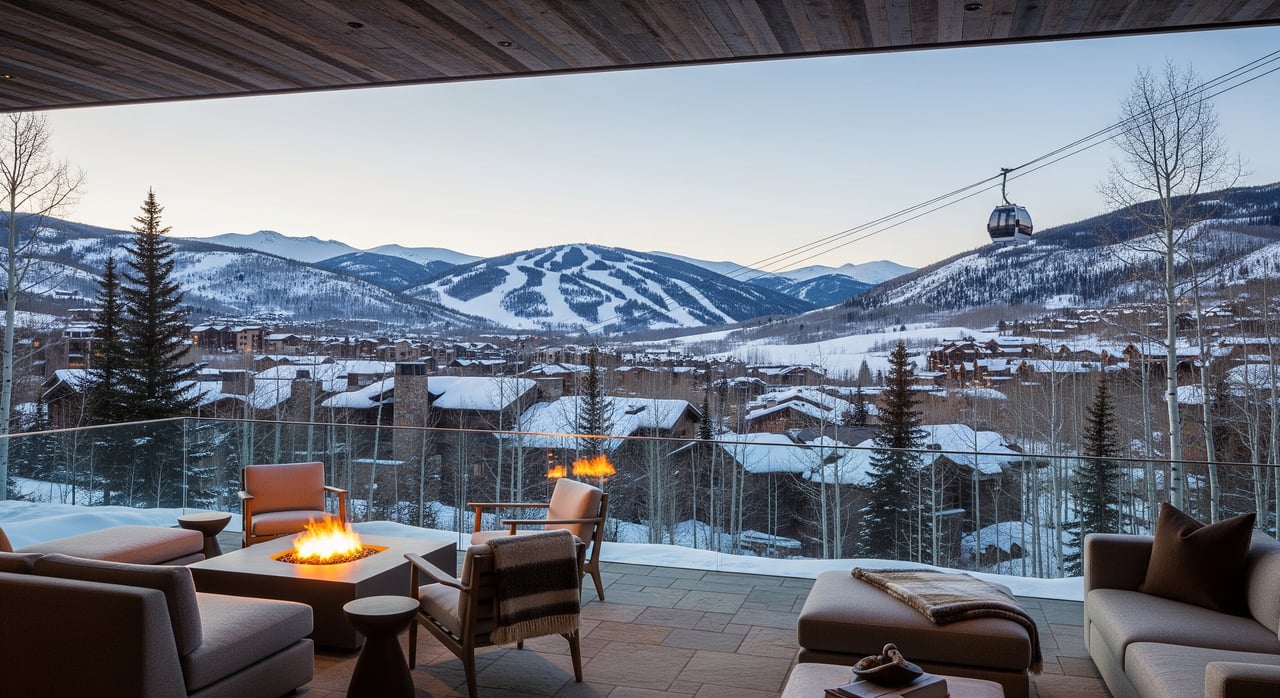
Trying to choose between Upper and Lower Deer Valley for your home base can feel like picking between two great seats at the same show. Each delivers mountain access and lifestyle, but in different ways. If you are buying in 84060 and weighing second‑home or vacation‑rental potential, clarity matters. This guide compares access, ski proximity, amenities, home types, costs, and due diligence so you can decide with confidence. Let’s dive in.
What “Upper” and “Lower” really mean
Locals use Upper Deer Valley and Lower Deer Valley as helpful descriptors, not legal boundaries. In simple terms, Upper Deer Valley refers to higher‑elevation neighborhoods closer to upper lifts, ridgelines, and mid‑mountain lodges. Lower Deer Valley covers areas nearer the base lodges, Snow Park parking, and the road corridor that connects into Park City’s Main Street.
Within 84060, the exact neighborhood or subdivision matters more than the label. When you refine your search, pair “Upper” or “Lower” with specific developments, lift names, or lodge proximity so you can map true access and orientation.
Access and transportation
Salt Lake City International Airport is your main gateway. Typical drive time to Deer Valley and Park City runs about 35 to 50 minutes, depending on weather, traffic, and which neighborhood you are targeting. Plan extra time during holidays or storms.
At higher elevations, roads and driveways can be steeper and narrower. You will want a snow‑ready vehicle and clarity on who handles snow removal for private roads and driveways. Many HOAs or property managers operate seasonal shuttles, and Park City’s free transit system offers routes that change by season. Confirm a property’s specific parking, shuttle, and valet options before you buy.
Skiing and resort proximity
Deer Valley is known for groomed runs, a high‑service experience, and lift‑served terrain across a range of abilities. If you prioritize quick laps on upper‑mountain runs, Upper Deer Valley can place you closer to higher‑elevation lift networks and quieter zones. If you want fast access to ski school, tickets, retail, and base‑area restaurants, Lower Deer Valley is ideal.
“Ski‑in/ski‑out” is always property‑specific. Even in Upper areas, not every home or condo is truly ski‑in or ski‑out. Verify the exact ski access path, how it connects to groomed runs or lifts, and whether connecting trails are maintained throughout the season.
Neighborhoods and home types
Upper Deer Valley typically features a higher concentration of luxury single‑family homes, estate lots, and top‑tier condo or residence communities where they exist. Privacy, views, and larger footprints are common goals. Many properties here have private garages and on‑site parking that keep winter logistics simple.
Lower Deer Valley offers a broader mix: condos, townhomes, and smaller single‑family homes alongside luxury options near the base. You will find more walkable complexes and a wider selection for buyers who want lower maintenance or lock‑and‑leave convenience. Review HOA services, amenities, and reserve levels carefully, since dues and capital plans vary by community.
Views, elevation, and snow
Higher‑elevation properties often deliver broader panoramas across Park City and the Wasatch range. They also tend to see colder temperatures and more wind. Snow retention can be better at elevation, but aspect matters a lot. North‑facing slopes hold snow later, while south and southwest exposures warm earlier in spring.
If year‑round sunlight is important, consider sun path and shading from nearby topography. For spring skiing or a longer winter feel at home, confirm the property’s elevation, aspect, and surrounding terrain.
Amenities, walkability, and summer
Lower Deer Valley puts you closer to village services and Park City’s Main Street for dining, shopping, and nightlife. Grocery stores, medical offices, and daily services are easier to reach. The base‑area neighborhoods also feel more walkable and simplify non‑ski days.
Upper Deer Valley leans into quiet, privacy, and nature. You can be closer to mid‑mountain dining and trailheads for hiking and mountain biking, depending on seasonal operations. In summer, both areas shine, but Lower Deer Valley makes it simpler to pop into town events and activities.
Price profile and carrying costs
As a rule of thumb, Upper Deer Valley skews luxury, with multi‑million‑dollar homes and high‑end condos that often command higher prices per square foot. Inventory can be tighter and turnover slower. Lower Deer Valley spans a wider range of price points, including more mid‑market condos and townhomes alongside premium offerings near the base.
Carrying costs vary. Full‑service ski complexes tend to have higher HOA dues that support amenities, shuttles, on‑site management, and reserves. Larger luxury homes often carry higher property taxes in dollar terms and greater maintenance, utility, and insurance costs. Short‑term rental rules depend on municipal ordinances, property zoning, and HOA covenants. Always confirm what is allowed, what licenses are required, and how transient occupancy taxes apply to your use case.
Insurance premiums can reflect elevation, access, and wildfire considerations. For properties near steeper terrain, evaluate roof snow‑load design and any site‑specific risks with a professional inspector.
Which area fits your lifestyle
- You live for first chair and want privacy: Upper Deer Valley fits strong skiers who like quick access to upper runs and a quieter setting.
- You want walkability and easy logistics: Lower Deer Valley is closer to the base, town, and services. It simplifies ski school and après.
- You are focused on rental performance: Lower areas often deliver simpler guest logistics, but rules are property‑specific. Confirm HOA and municipal requirements.
- You prefer low maintenance: Condo and townhome options are more common in Lower Deer Valley. Review HOA inclusions to match your expectations.
- You want lot size and views: Upper Deer Valley typically offers larger lots and broader panoramas.
Decision checklist
Use this quick filter to narrow your search within 84060:
- Ski priority: upper‑mountain proximity or base‑area convenience
- Town access: walkability and Main Street proximity vs privacy and quiet
- Property type: single‑family home, condo, or townhome
- Budget range: luxury focus or broader price options
- Rental intent: nightly, seasonal, or personal use only (verify rules)
- Maintenance appetite: estate‑style upkeep or lock‑and‑leave simplicity
- Winter driving: comfort with steeper roads and snow management
- Views and sun: elevation, aspect, and shading
- Guest logistics: parking, ski school access, shuttles, and storage
- HOA services: shuttle, on‑site management, amenities, reserves
Smart due diligence steps
- Work with a Park City–based agent to run neighborhood‑level comps and track real‑time inventory.
- Confirm short‑term rental zoning, licensing, and HOA rules before you write an offer.
- Review HOA budgets, reserves, meeting minutes, and upcoming assessments.
- Order a thorough home inspection that addresses roof snow load and alpine wear.
- Ask for utility histories, property tax records, and any snow‑removal agreements.
- Visit in different seasons or request video walk‑throughs that show winter access.
- Check elevation, aspect, and nearby terrain to understand sun, snow retention, and wind exposure.
- For unique sites, consider geotechnical input and review local hazard maps.
How we help in Deer Valley
You deserve a buying experience that feels tailored, informed, and calm. Our boutique team pairs hospitality‑grade service with deep local knowledge to help you compare neighborhoods, verify ski access, understand HOA rules, and model carrying costs. We handle logistics for out‑of‑area clients, coordinate showings around your travel, and provide clear, data‑driven guidance so you can decide with confidence.
If you are ready to explore Upper or Lower Deer Valley in 84060, schedule a concierge consultation with the Hudgens | Harrison Real Estate Team.
FAQs
How long is the drive from SLC to Deer Valley in winter?
- Typical drive time is about 35 to 50 minutes, and you should allow extra time during storms or peak holidays.
Is ski‑in/ski‑out guaranteed in Upper Deer Valley?
- No, ski‑in/ski‑out is property‑specific, so confirm the exact access path and how it connects to groomed runs or lifts.
Which area is closer to Park City’s Main Street?
- Lower Deer Valley is closer to Main Street and daily services, and it is often more walkable.
Can you short‑term rent a Deer Valley property?
- It depends on municipal rules, property zoning, and HOA covenants, so verify what is permitted and whether licenses and taxes apply.
Which area retains snow longer for spring skiing?
- Higher elevations and north‑facing aspects usually hold snow longer, but conditions vary by microclimate and season.
Do HOAs offer shuttles for owners and guests?
- Many complexes provide seasonal shuttles or valet services, and you should confirm schedules, service levels, and costs in the HOA documents.
What maintenance should you expect in upper‑slope homes?
- Plan for steeper driveways, increased roof and exterior maintenance from alpine conditions, and clear snow‑removal responsibilities.