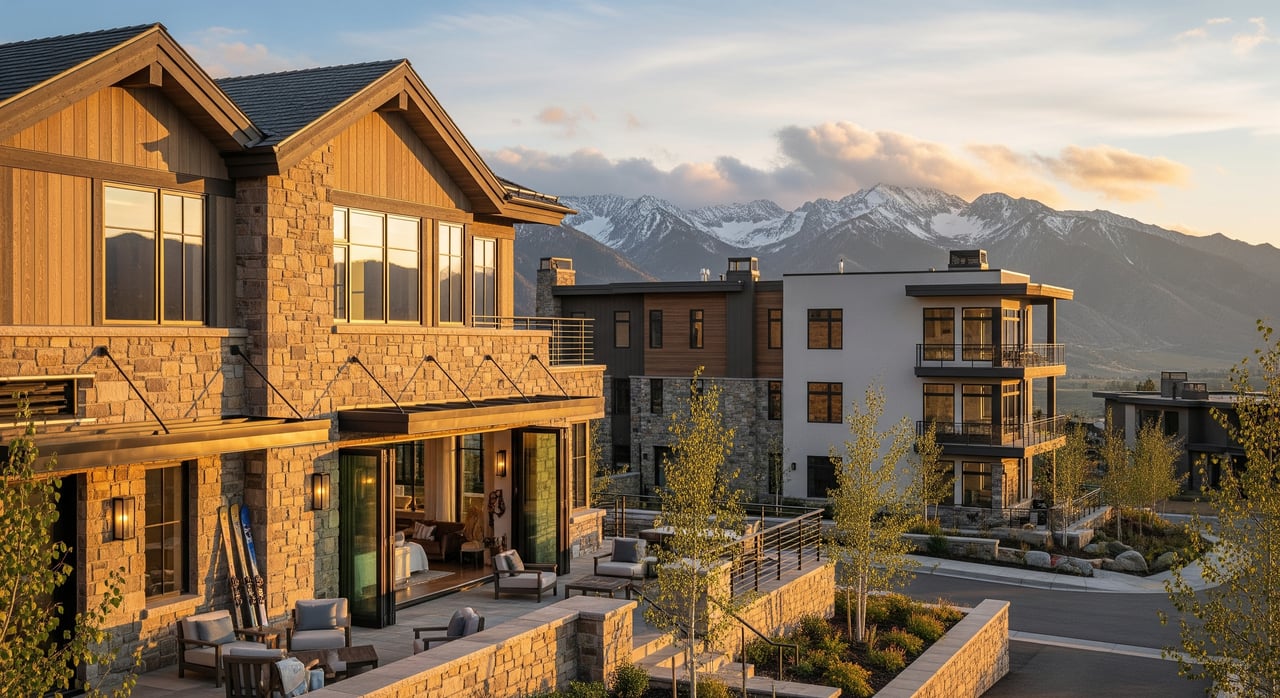
Trying to decide between a condo and a townhome in Hideout? You’re not alone. The Jordanelle corridor attracts second‑home buyers and relocators who want mountain access without the day‑to‑day upkeep of a large single‑family home. In this guide, you’ll learn how ownership, HOA responsibilities, maintenance, financing, insurance, and rental rules differ in Hideout so you can choose with confidence. Let’s dive in.
Why Hideout draws buyers
Hideout sits in Wasatch County along the Jordanelle corridor, a gateway to Park City and the Wasatch Range. You’re close to skiing, boating, mountain biking, and hiking, which makes the area popular for second homes and lifestyle relocations. Resort‑adjacent housing often faces steady demand for short‑term rentals and tighter inventory than non‑resort markets. For the latest inventory and pricing, plan to verify current data with a local MLS source, the county assessor, or your agent.
Condo vs townhome: the core differences
What a condo typically means
- Ownership usually covers the interior of your unit, often described as “from the drywall in,” plus an undivided interest in common elements like the roof, exterior walls, and grounds.
- HOAs commonly maintain building exteriors, roofing, shared systems, landscaping for common areas, and amenities. Your responsibilities often center on the interior.
- Insurance often involves an HO‑6 policy that covers interior finishes, personal property, and liability. The HOA’s master policy usually covers the shell and common elements, but coverage varies by community.
- Financing can involve extra lender scrutiny. Project approval, owner‑occupancy ratios, and HOA delinquency rates can affect mortgage availability and terms.
What a townhome typically means
- Ownership often includes fee simple title to the structure and the land it sits on, even if your home shares walls. This can make it feel more like a single‑family home from a title and lending perspective.
- HOAs may maintain shared walls, roads, and amenities, but many exterior elements like the roof, driveway, and adjacent landscaping can be yours to maintain. It depends on the community’s maintenance matrix.
- Insurance often involves a dwelling policy such as HO‑3 because you’re typically responsible for the exterior and roof. Confirm any master policy details before you bind coverage.
- Financing is often more flexible than some condo projects. Lenders may treat townhomes similarly to single‑family attached homes.
Pros and cons in Hideout
Condos: why they work and where they don’t
Pros
- Low‑maintenance living with HOA handling most exteriors and shared systems.
- Turnkey, lock‑and‑leave convenience that suits second‑home use.
- Access to amenities like a clubhouse, fitness center, or pool in certain communities.
- Shared services such as snow removal and landscape care reduce your to‑do list.
Cons
- Project‑level lending hurdles can affect your financing options and rate.
- More rules around renovations, rentals, and usage based on HOA documents.
- Less control over exterior decisions and building schedules.
- HOA dues can be higher in amenity‑rich or heavily serviced buildings.
Townhomes: why they fit and when they don’t
Pros
- More control and privacy, with direct entry and often a garage.
- Ownership can feel more like a single‑family home for financing and insurance.
- Private outdoor space is more common, which can help resale appeal.
- Fewer shared systems can mean fewer building‑wide disruptions.
Cons
- You may be responsible for exterior items like the roof, driveway, and adjacent landscaping.
- Snow and freeze‑thaw cycles increase upkeep, planning, and costs.
- Fewer on‑site amenities in some townhome communities.
- HOA rules still apply. Restrictions on parking, pets, and rentals vary.
HOA coverage and dues in a mountain climate
What HOAs often cover
In Hideout‑type communities, HOAs commonly include snow removal on shared drives and sidewalks, landscaping for common areas, exterior maintenance for condos, and amenity care such as gyms, pools, or clubhouses. Some gated communities also offer gate or patrol services. For townhomes, HOAs may maintain shared roads and amenities but leave your roof, driveway, and adjacent landscaping to you. Always confirm the maintenance matrix for your specific community.
Snow, freeze‑thaw, and seasonal realities
Mountain weather drives costs. Heavy snow and freeze‑thaw cycles make roof care, drainage, and snow management essential. Ask who handles snow and ice on roofs, decks, driveways, and walkways. If you’re a second‑home owner, confirm winterization protocols and whether the HOA offers guidance or preferred contractors.
Dues, reserves, and assessments
HOA dues reflect what is covered. Mountain communities often budget more for snow removal, road work, and seasonal amenities. A healthy reserve fund and recent reserve study reduce the chance of surprise assessments. Request the current budget, reserve study, board minutes, delinquency history, and any pending capital projects to gauge near‑term costs.
Short‑term rentals and your use plan
Resort corridors often see strong interest in short‑term rentals, but rules vary. Some HOAs allow STRs with registration or caps, while others restrict or prohibit them. Even when allowed, you may need to comply with county lodging taxes, business licensing, and any district rules. Confirm minimum stays, rental caps, required owner registrations, and potential fees. Rental flexibility can impact both your cash flow and future resale.
Financing, insurance, and taxes
Financing
Lenders treat condos and townhomes differently. For condos, project approval, owner‑occupancy ratios, and HOA delinquencies can impact lending options. Townhomes are often underwritten more like single‑family attached homes. If you’re financing a second home, expect different down payment and qualification standards than for a primary residence. Choose a lender experienced with resort‑area properties and condo project reviews.
Insurance
Condo buyers usually carry an HO‑6 policy for interiors and personal property, while the HOA’s master policy addresses common elements and sometimes the building shell. Townhome owners often need a dwelling policy such as HO‑3 that covers the exterior and roof. In mountain and reservoir locations, consider flood, sewer backup, and liability coverage. If you plan to rent, ask about loss‑of‑rental‑income coverage.
Taxes
Property taxes are assessed by Wasatch County. Primary residence tax treatments and exemptions do not apply to second homes. For questions on assessments or exemptions, consult the Wasatch County assessor or a tax advisor.
Lifestyle fit: which should you choose?
Choose a condo if you value
- A true lock‑and‑leave setup with minimal exterior responsibility.
- Amenities like a clubhouse, fitness center, or pool that enhance your stay.
- Simplified winter operations without arranging exterior snow removal.
- A smaller footprint that keeps ownership simple and predictable.
Choose a townhome if you value
- More control over the property, including exterior choices approved by the HOA.
- Private parking or a garage, and often more storage for gear.
- Outdoor space that makes year‑round living more comfortable.
- A property that lenders and insurers may treat more like a single‑family home.
Second‑home vs relocation priorities
If this is your second home, look for reliable HOA maintenance, clear winterization guidance, and well‑defined rental rules if you plan to host guests. If you’re relocating full time, prioritize year‑round livability: storage, garage access, daily snow removal needs, proximity to services, and rules that affect everyday life like parking and pets.
Due‑diligence checklist for Hideout buyers
Use this list to compare properties and avoid surprises:
Documents to request
- HOA CC&Rs, bylaws, and rules and regulations
- Current HOA budget, recent financials, and the latest reserve study
- HOA meeting minutes from the last 12 to 24 months
- Pending or planned capital projects and any special assessments
- Master insurance declarations and a written summary of coverage
- HOA owner roster showing owner‑occupied vs rental percentages, plus delinquency rates
- Rental and occupancy rules and any owner registration requirements
- Title report and plat map to confirm boundaries and easements
- Seller disclosures and any known or pending HOA litigation
Questions to ask
- Who handles roof, gutters, decks, driveways, and snow removal by area?
- Does the HOA have a recent reserve study and adequate reserves?
- Are special assessments planned or recently levied?
- Are short‑term rentals allowed, and what are the minimum stays and caps?
- What does the master insurance policy cover, and where does owner coverage begin?
- Are there storage options for skis, bikes, or boats, plus guest parking?
- How does snow removal work for driveways and walkways in winter?
- What are parking and pet rules?
- Are there shuttle services or links to ski areas?
- Are there transfer fees, impact fees, or transient lodging taxes for rentals?
Red flags to watch
- Low reserves or no recent reserve study
- Rising HOA delinquencies
- Pending HOA litigation
- High investor ownership that could limit financing eligibility
- Frequent or large special assessments
- Blurry lines between HOA and owner maintenance responsibilities
Next steps
Choosing between a condo and a townhome in Hideout comes down to lifestyle and risk tolerance. Think about how you plan to use the home, what level of exterior responsibility you want, and how HOA rules and lending will affect both your day‑to‑day experience and long‑term resale. If you want help narrowing options and confirming the details that matter most, the Hudgens | Harrison Real Estate Team offers concierge‑level guidance grounded in local expertise. Schedule a consultation and we’ll tailor recommendations to your goals.
FAQs
What’s the biggest ownership difference between Hideout condos and townhomes?
- Condos typically include ownership of the interior with shared common areas, while townhomes often include the structure and lot, which can shift exterior maintenance to you.
How do HOA dues compare in Hideout condo vs townhome communities?
- Dues reflect services. Condos may pay more for exterior care and amenities, while townhome dues can be lower but leave more exterior work to the owner.
Do lenders treat Hideout condos differently from townhomes?
- Yes. Condos can require project approval and may have stricter guidelines, while townhomes are often underwritten like single‑family attached homes.
What insurance do I need for a Hideout condo or townhome?
- Condo owners often carry HO‑6 policies for interiors. Townhome owners usually need dwelling coverage such as HO‑3 that includes the exterior and roof.
Are short‑term rentals allowed in all Hideout communities?
- No. HOA rules vary and local licensing and taxes can apply. Confirm HOA rental policies, minimum stays, caps, and county requirements before you buy.
How does winter weather change maintenance in Hideout?
- Snow and freeze‑thaw cycles increase the need for roof care, drainage, and snow management. Clarify who handles roofs, driveways, and walkways.
What documents should I review before buying in Hideout?
- Request CC&Rs, rules, budgets, financials, reserve study, meeting minutes, insurance summaries, rental rules, title and plat, and any known litigation.