Steep driveway, narrow access, and a truck full of skis, bikes, and a new fridge can make your first week in a Cedar City canyon home feel complicated. You want a smooth arrival, safe delivery, and a clean, organized setup for all your outdoor gear. This guide gives you a clear plan for deliveries on sloped sites, practical storage for canyon-life gear, and a simple utilities timeline so day one is comfortable. Let’s dive in.
Know your canyon setting
Cedar City’s canyon and foothill homes often sit on steep grades with narrow private drives or gated roads. Tight turning radii and short, steep approaches can limit large box trucks and trailers. Winter brings snow and freeze-thaw cycles, and spring runoff can create mud and slick surfaces.
Utility setups vary by location. Inside city limits, most homes use municipal water and sewer. Many canyon and rural properties rely on private wells, septic systems, and propane for heat and cooking. Some remote addresses use satellite or fixed wireless internet. Wildfire risk is seasonal, so fuel storage, propane placement, and defensible space matter for safety and insurance.
Measure and plan delivery access
Before you book anything, document the approach. This saves time, reduces damage risk, and helps carriers price and plan correctly.
What to measure and photograph
- Driveway length, continuous grade, and width at the narrowest point.
- Gate width and hinge clearance, plus overhead clearance for trees and wires.
- Turning radius from the street into the drive and any tight switchbacks.
- Surface type and seasonal hazards, like ice or spring mud.
- Safe shoulder or staging areas near the road for a shuttle or hand-carry.
- Location of utility meters, propane tanks, and septic lids.
Share access info with vendors
When requesting quotes, send your measurements and photos. Ask if the carrier will drive up the driveway, requires a liftgate, uses a smaller shuttle truck, or stages at the road. For appliances, request inside delivery and confirm whether installation, removal of old units, and steps or uneven surfaces are included.
Check permissions and permits
If your access road is private or HOA maintained, confirm rules for large vehicles. Some roads cross easements that limit vehicle weight. If delivery trucks will block a public road, you may need short-term permits or traffic control. For any staging on public streets or curbs, confirm requirements with the city before move day.
Smart strategies for tight sites
When a full-size truck cannot reach the house, use a last-mile plan that fits your site and weather.
- Shuttle trucks or cargo vans to transfer from a legal staging area near the road.
- Local cargo trailer or utility vehicle rental for the final stretch.
- Crane or hoist for oversized items, if the site allows safe placement and required permits.
- Schedule delivery windows in daylight and fair weather. Avoid late winter afternoons when temps drop and surfaces freeze.
Timing and lead times
- Large furniture and appliances: schedule 2 to 3 weeks ahead and reconfirm 48 to 72 hours before.
- Specialty items like hot tubs, large playsets, or propane tanks: allow 3 to 6 weeks and expect coordination with installers.
- Crane or heavy equipment: budget 2 to 4 weeks for permits and utility locates.
Winter move readiness
If you move in snowy months, treat access like a mountain jobsite.
- Arrange snow removal and ice melt for the driveway and a level staging pad.
- Confirm that all vehicles have winter tires or chains if your grade is steep.
- Revisit carrier cancellation policies for weather delays and set a backup date.
- Mark drive edges and any hazards with tall, visible stakes.
Create a canyon-gear transition zone
Your gear carries mud, snow, and moisture. A simple system keeps interiors clean and gear in top shape.
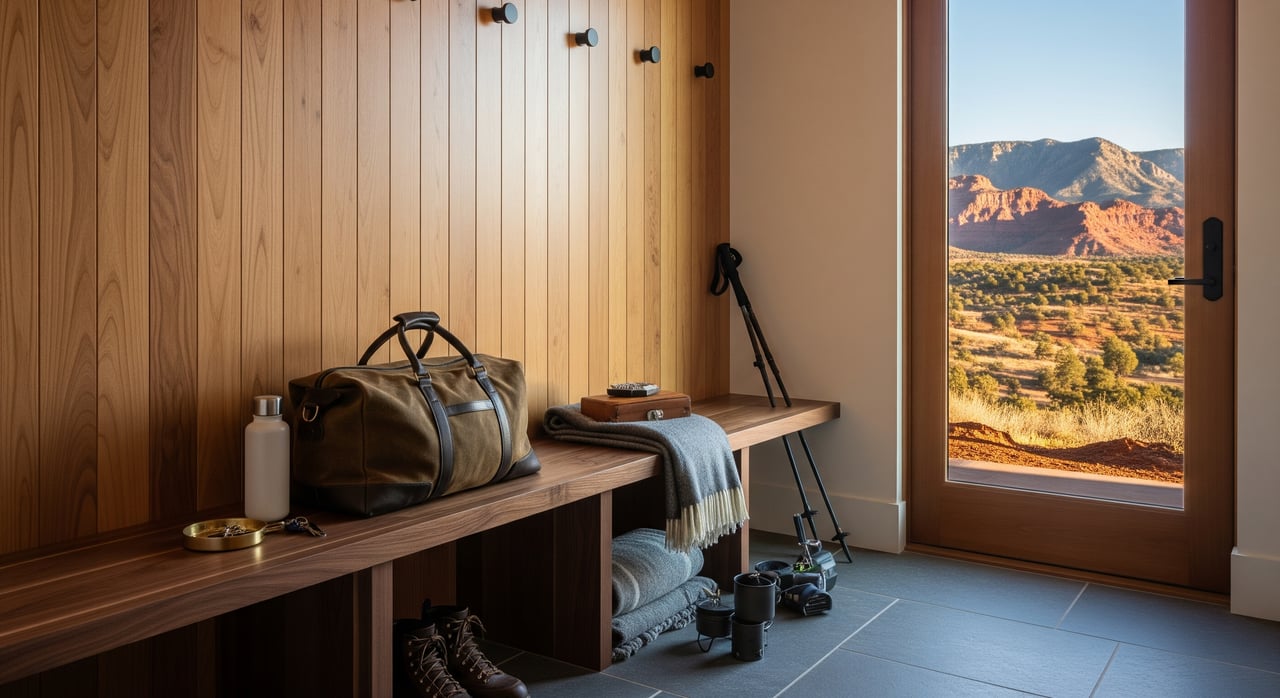
- Designate a mudroom or garage entry as your initial landing zone.
- Use heavy-duty mats, boot trays, and hooks for quick drop-off.
- Add ventilated racks and boot dryers to remove moisture and prevent mold.
- Run a dehumidifier in enclosed garages or storage rooms prone to condensation.
Gear-specific tips
- Bikes and skis: wall-mounted racks keep floors clear and allow airflow for drying.
- Watercraft: ceiling hoists or exterior racks with UV-resistant covers. Avoid long-term sun exposure.
- ATVs and UTVs: park on level, well-drained surfaces. Use a battery tender and a breathable cover if stored outside.
- Firearms: store in a locked safe that meets state guidelines. Keep ammunition in a separate locked container.
- Wetsuits and river gear: rinse with fresh water, hang to dry, and store in ventilated areas.
- Snow gear: dry fully and use silica packs to prevent rust on edges and bindings.
Safety, biosecurity, and insurance
- Rodents and packrats are common. Use sealed bins for small items, hang clothing off the floor, and keep food out of storage zones.
- Store gasoline and solvents in approved containers in a ventilated shed, not inside living areas.
- Propane tanks should be placed outdoors according to local code and fire guidance.
- Clean and dry boats, waders, and gear before moving between waterways to reduce invasive species risks.
- Ask your insurance provider about endorsements for high-value gear like kayaks, ATVs, or snow machines.
Start utilities before you arrive
Planning ahead avoids cold showers, dark rooms, or no internet on day one. Verify who handles final inspections or meter reads before closing.
Electricity
Set up or transfer your account with the regional power provider. New meter installations or new construction can take longer and may require coordination with your contractor.
Gas and propane
Many canyon homes use propane. Tank installation and first fill typically require a site visit and scheduling that can take 1 to 3 weeks. If served by a natural gas utility, set up your account and confirm whether a technician visit is needed for startup.
Water and sewer
Inside the city, transfer water and sewer accounts and request a final meter read if required. For private wells, book a certified well contractor for pump activation and consider water quality testing. For septic, schedule an inspection and any needed pumping before occupancy.
Internet and phone
Book wired internet or cable 2 to 4 weeks in advance to secure a technician window. If wired options do not reach your address, plan for fixed wireless, satellite, or a cellular hotspot and allow time for hardware delivery and mounting.
Trash and recycling
Confirm whether your address has municipal pickup or requires a private service. Verify collection days and accepted materials, or arrange a roll-off if you expect extra packing debris.
Typical lead times to target
- Electricity and water transfers for existing meters: 3 to 7 business days.
- New meter or new construction hookups: several weeks with contractor coordination.
- Propane tank install and first fill: 1 to 3 weeks depending on vendor schedules.
- Internet with technician: 1 to 4 weeks. Satellite can be faster but requires mounting and line-of-sight checks.
- Septic and well services: 1 to 3 weeks for inspections and repairs.
A simple move timeline
4 to 6 weeks out
- Open utility accounts and ask about lead times for electric, water, propane, and internet.
- Measure and photograph your driveway and road approach for mover quotes.
- If on well and septic, book inspections or pump activation.
- Reserve an internet technician or decide on satellite or fixed wireless.
2 to 3 weeks out
- Confirm delivery dates and share access photos and measurements.
- Schedule propane tank install or first fill if needed.
- Arrange snow removal or driveway prep for winter moves.
48 to 72 hours out
- Reconfirm arrival windows and gate codes with movers and service providers.
- Clear staging areas, mark drive edges, and post directional signs if the turn-in is hard to see.
Move day and first week
- Unpack essentials and set up your transition zone for gear.
- Test hot water, heat, electricity, internet, and appliances. Report issues immediately.
- Locate shutoff valves, the breaker panel, propane tank, and septic lids.
- Walk the property to evaluate defensible space and address easy fixes.
Emergency readiness in week one
- Confirm your official address format with local dispatch so 911 can find you quickly.
- Save the nearest hospital, urgent care, and veterinarian.
- Share a pin drop and written directions with family and key vendors if GPS is unreliable.
Local contacts to know
- Cedar City municipal offices and utilities for water, sewer, and any street or staging permits.
- Iron County Building and Planning for septic, well, and private road rules.
- Power and gas providers for account setup and meters.
- Local propane vendors for tank placement and safety checks.
- Local fire districts and the state forestry division for defensible space guidance and fuel storage rules.
- Utah Department of Transportation and Iron County roads office for seasonal road conditions.
A little planning goes a long way in Cedar City’s canyon neighborhoods. With accurate measurements, a flexible delivery plan, and a solid utility startup schedule, your first week can feel less like a scramble and more like an easy landing. If you want help coordinating timelines and local introductions, our team is here to make your move seamless. Schedule a concierge consultation with Unknown Company.
FAQs
What should I do if a delivery truck can’t climb my steep driveway?
- Ask the carrier to use a smaller shuttle truck or stage at a safe roadside area and transfer by van or trailer. Plan for inside delivery if needed.
How early should I schedule propane tank installation for a new-to-me home?
- Book 1 to 3 weeks ahead to allow for a site inspection, code-compliant placement, and the first fill before you arrive.
What is the best way to store wet winter and river gear indoors?
- Create a ventilated transition area with racks and boot dryers, and run a dehumidifier to prevent mold and mildew.
How do I protect bikes and ATVs from theft at a remote property?
- Use anchored floor or wall locks, covered racks, and a monitored alarm system. Store small items in locked, sealed bins.
Who should I call about septic or well startup before move-in?
- Contact a certified well contractor for pump activation and a licensed septic provider for inspections or pumping prior to occupancy.
What’s the internet plan if wired service doesn’t reach my address?
- Consider fixed wireless, satellite, or a cellular hotspot, and allow time for any mounting hardware and line-of-sight checks.